


4 Reasons to Lift in Weightlifting Shoes!
Weightlifting shoes are one of the most debated pieces of equipment in the gym — do you really need them? According to physical therapists and elite coaches, the answer is a clear yes for most lifters. Here are the 4 science-backed reasons why you should be lifting in weightlifting shoes in 2026, and how to choose the right pair.
1. Ankle Flexibility — The #1 Limiting Factor in Squats
Limited ankle dorsiflexion is one of the most common reasons lifters struggle to squat below parallel with their heels on the floor. Tight calves, Achilles tendons, or simply genetics can restrict how far your ankle bends forward — causing your heels to rise, your torso to lean forward, and your knees to cave.
The elevated heel in weightlifting shoes (typically 19–25mm) reduces the tension on the Achilles tendon, allowing the ankle to dorsiflex more freely. The result: heels stay down, torso stays upright, and squat depth improves immediately.

2. Hip Pain or Tightness — Protecting Your Joints
Hip tightness can cause the pelvis to tuck under ("butt wink") at the bottom of a squat — a position that places significant stress on the lumbar spine and hip joints over time. This happens when the femoral head can't glide back into the hip socket properly.
The forward weight shift created by an elevated heel allows the hips to hinge more freely, reducing the demand on hip mobility and minimizing butt wink. This makes squatting safer and more effective, especially for lifters with hip impingement or tightness.

3. Balance Point — Stay Back on Your Heels
Many lifters — especially beginners — feel like they're falling forward during squats. This is a neurological response: your brain senses instability and pulls you forward to prevent falling. The elevated heel of a weightlifting shoe shifts your weight slightly forward onto the toes, which paradoxically allows your brain to relax and let you sit back on your heels during the descent.
The result is a more upright torso, better hip hinge, and less rounding at the bottom — all without fighting your own nervous system.
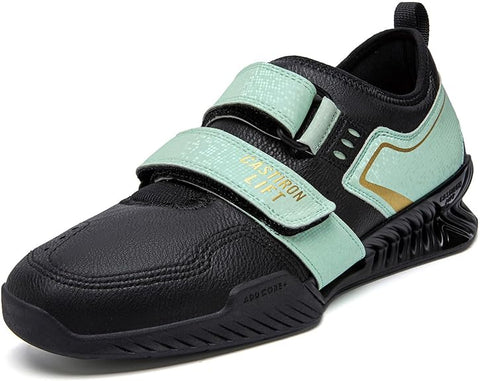
Equally important is the sole material. Weightlifting shoes use rigid wood or thermoplastic polyurethane (TPU) soles that don't compress under load. Running shoes absorb force — great for running, terrible for lifting. Every millimeter of compression in a running shoe is wasted energy that could have moved the bar.
4. Force Transfer — More Power, More Weight
The rigid, non-compressible sole of a weightlifting shoe ensures that 100% of the force you generate goes into moving the bar — not into compressing foam. This is why elite powerlifters and Olympic weightlifters universally use purpose-built lifting shoes rather than cross-trainers.
Over time, training in weightlifting shoes also improves your motor patterns. Your nervous system learns the correct squat position and it becomes automatic — meaning you can eventually squat well even without the shoes.
Weightlifting Shoes vs. Squat Shoes vs. Deadlift Shoes: Quick Comparison (2026)
| Shoe Type | Heel | Best For | Price (USD) |
|---|---|---|---|
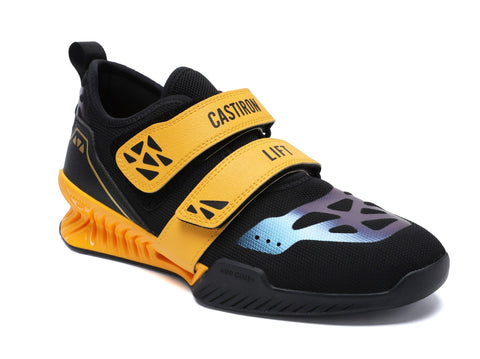
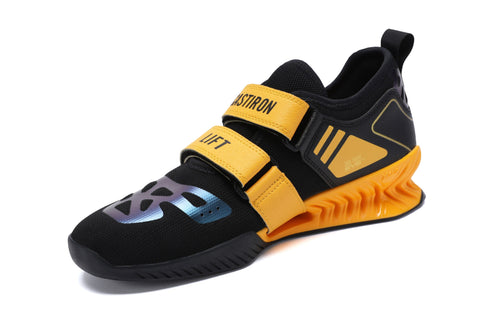
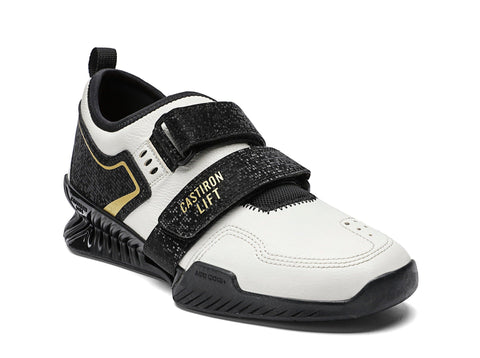
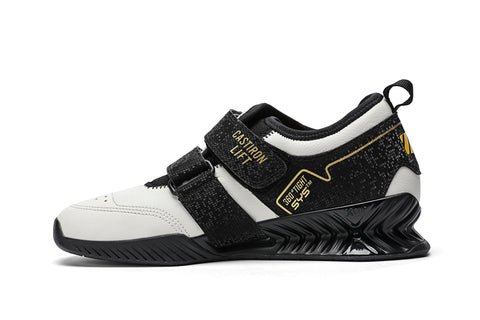
| Castiron Lift IronLifter 1 | 19mm | Squats, general lifting | ~$89–$109 |
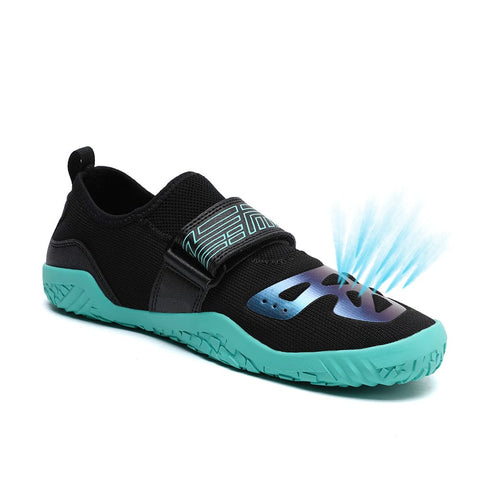
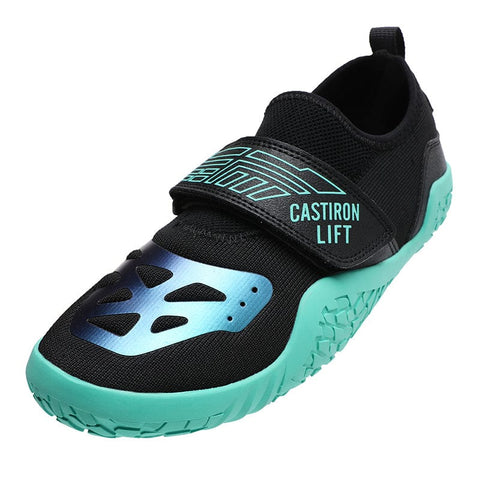
| Castiron Lift TurboLifter | Flat | Deadlifts, pulls | ~$79–$99 |
| Nike Romaleos 4 (nike.com) | 20mm | Olympic lifting | $200 |
| Adidas Powerlift 5 (adidas.com) | 15mm | Beginners, budget | $100 |
The Bottom Line
Weightlifting shoes are a tool, not a crutch. Used correctly, they help you achieve better positions, build stronger motor patterns, and lift more weight safely. A quality pair should last 2–5 years — making them one of the best investments in your training.
Read our buying guide to find the right shoe for your lifting style, or explore our heel height guide to understand which elevation suits you best.
Ready to lift smarter?
Castiron Lift weightlifting shoes — premium leather, rigid sole, built for serious lifters in 2026.
Shop Weightlifting Shoes →