

Powerlifting Shoes vs. Olympic Lifting Shoes: Which Footwear is Right for Your Lifting Goals?
Powerlifting shoes and Olympic lifting shoes look similar from the outside — but they're engineered for fundamentally different demands. Choosing the wrong one can limit your performance, compromise your form, and even increase injury risk. In this 2026 guide, we break down every key difference, when to use each, and which Castiron Lift models are built for each sport.


The Two Sports: What Each Demands from Footwear
Powerlifting consists of three maximal-effort lifts: squat, bench press, and deadlift. The priority is maximum force production under heavy loads — stability, rigidity, and ground contact are everything.
Olympic weightlifting consists of the snatch and clean & jerk. These are explosive, technical movements requiring a combination of strength, speed, ankle mobility, and precise receiving positions. The priority is mobility + stability simultaneously.
These different demands translate directly into different shoe designs.
Key Differences: Side-by-Side
| Feature | Powerlifting Shoes | Olympic Lifting Shoes |
|---|---|---|
| Heel Height | 15–19mm (moderate) | 20–25mm (higher) |
| Sole Rigidity | Maximum — zero flex | High, slight forefoot flex |
| Base Width | Wider — max stability | Moderate |
| Weight | Heavier (durability focus) | Lighter (agility focus) |
| Upper Material | Leather preferred | Synthetic or leather |
| Ankle Support | Standard | Higher cut for stability |
| Best Lifts | Squat, bench, deadlift | Snatch, clean & jerk, front squat |
Heel Height: The Most Important Difference
Heel height is the single biggest factor separating these two shoe types. Here's why it matters:
- Higher heel (20–25mm) — allows deeper squat depth with more upright torso; essential for the receiving position in snatches and cleans where the lifter must sit into a full squat under a moving bar
- Moderate heel (15–19mm) — improves squat depth for powerlifting without over-elevating; better for low-bar squats where some forward lean is acceptable
- Flat (0–10mm) — best for deadlifts; keeps hips lower and maximizes floor contact
Read our full heel height guide for a detailed breakdown by lift and anatomy.
Sole Rigidity: Why It Matters for Both Sports
Both powerlifting and Olympic lifting shoes share one non-negotiable feature: a rigid, non-compressible sole. Running shoes and cross-trainers absorb force through cushioning — energy that should be going into the bar. A rigid TPU or wooden heel transfers 100% of your force to the floor.
The difference is in forefoot flexibility: Olympic lifting shoes allow slight forefoot flex to accommodate the dynamic footwork in the clean & jerk. Powerlifting shoes are typically stiffer throughout for maximum stability under static maximal loads.
When to Choose Powerlifting Shoes
- Your primary lifts are squat, bench press, and deadlift
- You compete in powerlifting (IPF, USAPL, etc.)
- You prefer low-bar back squats
- You want maximum stability under heavy loads
- You prioritize durability and longevity
Best Castiron Lift options:


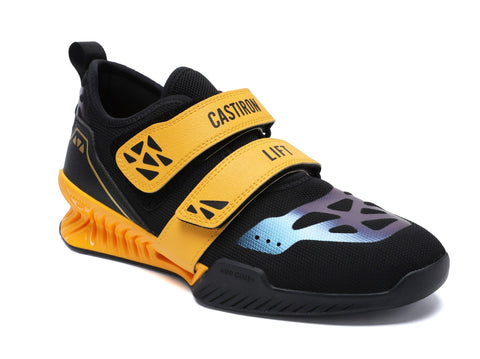
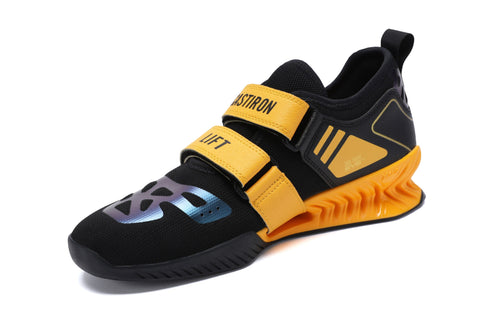
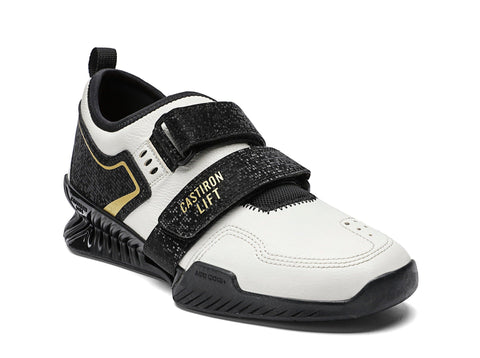
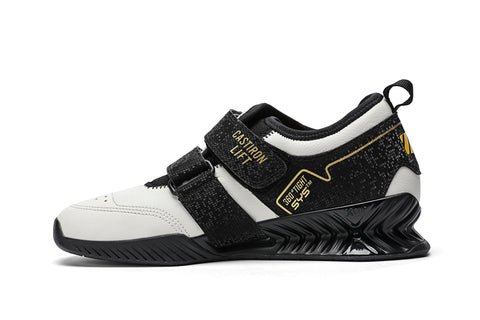
- IronLifter 1 (~$89–$109) — best all-round powerlifting shoe, 19mm heel, leather upper
- PowerLifter 1 (~$109–$129) — competition-grade, maximum rigidity for heavy squats
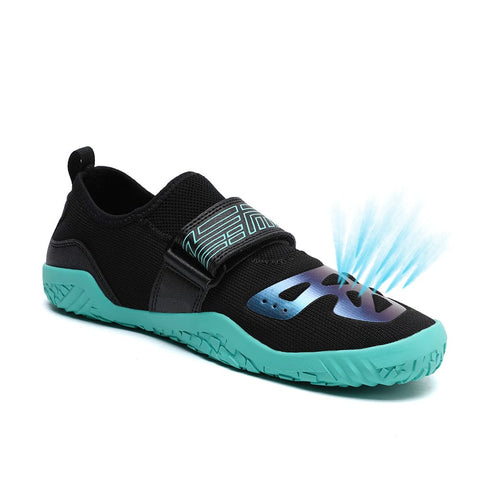
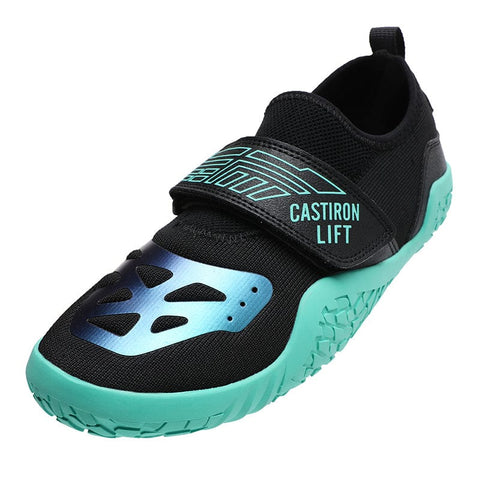
- TurboLifter (~$79–$119) — flat sole for deadlifts
When to Choose Olympic Lifting Shoes
- Your primary lifts are snatch and clean & jerk
- You compete in Olympic weightlifting
- You do CrossFit with significant Olympic lifting volume
- You have limited ankle mobility and need maximum heel elevation
- You primarily do high-bar back squats or front squats
Best Castiron Lift options:


- PowerLifter 2 (~$109–$129) — enhanced ankle support, ideal for Olympic lifting and front squats
- IronLifter 1 (~$89–$109) — versatile enough for both sports at 19mm heel
What If You Do Both? (Hybrid Athletes)
Many lifters — especially CrossFitters and strength athletes — train both powerlifting and Olympic movements. In this case:
- The IronLifter 1 at 19mm is the best single-shoe compromise — enough heel for Olympic lifts, stable enough for powerlifting squats
- Serious competitors in both sports should own two pairs: a powerlifting shoe for squats and a higher-heel shoe for Olympic work
- Always use a flat shoe (TurboLifter) for deadlifts regardless of your primary sport
Price Comparison: Powerlifting vs. Olympic Lifting Shoes (2026)
| Shoe | Type | Price (USD) | Heel |
|---|---|---|---|
| Castiron Lift IronLifter 1 | Powerlifting / Hybrid | ~$89–$109 | 19mm |
| Castiron Lift PowerLifter 1 | Powerlifting | ~$109–$129 | 19mm |
| Castiron Lift PowerLifter 2 | Olympic / Hybrid | ~$109–$129 | 19mm+ |
| Nike Romaleos 4 (nike.com) | Olympic / Powerlifting | $200 | 20mm |
| Adidas Adipower III (adidas.com) | Olympic | $200 | 20mm |
| Reebok Legacy Lifter III (reebok.com) | Olympic / CrossFit | $180 | 22mm |
FAQs
Can I use Olympic lifting shoes for powerlifting?
Yes, but with trade-offs. The higher heel works well for high-bar squats but may feel unstable for low-bar squats. The slightly more flexible forefoot is less ideal for maximum powerlifting loads. Most powerlifters prefer a dedicated powerlifting shoe.
Can I use powerlifting shoes for Olympic lifting?
For squats and pulls, yes. For the snatch and clean & jerk receiving positions, the slightly lower heel may limit depth for some athletes. The IronLifter 1 at 19mm is a solid compromise for hybrid athletes.
Do I need both types of shoes?
Only if you seriously train both sports. Most lifters can get by with one good pair — the IronLifter 1 covers both disciplines well. Add a TurboLifter for deadlifts and you have a complete kit.
What about deadlift shoes?
Deadlifts need a flat shoe — neither powerlifting nor Olympic lifting shoes are optimal. Use the TurboLifter for all pulling movements.
Find the right shoe for your sport.
Castiron Lift has a model for every lifting style — powerlifting, Olympic, deadlift, and hybrid.
Shop All Lifting Shoes →